Introduction
You've probably noticed "spatial audio" popping up everywhere—on headphone boxes, streaming service settings, and soundbar spec sheets. It's become one of the most talked-about audio features in 2026, and for good reason. This technology fundamentally changes how we experience sound, making movies feel like you're inside the action and music feel like a live performance happening around you.
But what exactly is spatial audio? Is it just marketing hype, or does it genuinely transform your listening experience? In this guide, we'll break down the technology in simple terms, explain the major formats you'll encounter, and help you understand why it's reshaping the audio landscape.
What Is Spatial Audio?
Spatial audio is a technology that creates the illusion of three-dimensional sound. Instead of audio simply coming from your left and right (like traditional stereo), spatial audio places sounds all around you—in front, behind, above, below, and everywhere in between.
Think of it like the difference between looking at a photograph and stepping inside a room. Traditional stereo is the photograph: flat, with a clear left and right side. Spatial audio is the room itself, where sounds exist in physical space and you can perceive their location and distance.

Photo by Yassine Ait Tahit on Unsplash
According to the Audio Engineering Society, spatial audio encompasses several related technologies that simulate how humans naturally perceive sound in real environments. Our ears and brain work together to detect subtle differences in timing, volume, and frequency to determine where sounds originate—spatial audio recreates these cues digitally.
How Spatial Audio Actually Works
Spatial audio relies on a few key principles that mimic how we hear in real life:
Head-Related Transfer Function (HRTF): This is the secret sauce. Your ears don't just detect volume—they pick up on how sound waves bend around your head and interact with your ear shape before reaching your eardrums. HRTF algorithms simulate these interactions digitally, tricking your brain into perceiving directional sound even through headphones.
Object-Based Audio: Unlike traditional surround sound that assigns audio to specific channels (front left, rear right, etc.), object-based audio treats individual sounds as independent objects with their own position in 3D space. A helicopter in a movie isn't just "in the rear speakers"—it exists at specific coordinates and moves naturally through the soundscape.
Head Tracking: Modern spatial audio often includes motion sensors that detect when you turn your head. The audio adjusts in real-time so that sounds stay anchored to their virtual positions. Turn your head left, and the dialogue from a character in front of you shifts to favor your right ear—just like in real life.
The Big Three Formats Compared
Three major spatial audio formats dominate the market in 2026. While they all achieve similar immersive effects, each has its own ecosystem and strengths.
| Feature | Dolby Atmos | Sony 360 Reality Audio | Apple Spatial Audio |
|---|---|---|---|
| Primary Use | Movies, gaming, music | Music-focused | Apple ecosystem content |
| Head Tracking | Device dependent | Limited support | Yes (AirPods, Beats) |
| Streaming Support | Netflix, Disney+, Amazon, Tidal | Amazon Music, Tidal, Deezer | Apple Music, Apple TV+ |
| Hardware Required | Atmos-compatible devices | Compatible headphones | Apple devices + AirPods |
| Content Library | Largest | Growing | Large (Apple Music) |
Dolby Atmos is the most widely adopted format, originally developed for cinema and now standard across streaming services, gaming consoles, and mobile devices. Dolby's official specifications show it supports up to 128 audio tracks and 7.1.4 speaker configurations.
Sony 360 Reality Audio takes a music-first approach, capturing performances in a way that places instruments and vocals at specific points around the listener. It's particularly impressive for live concert recordings.
Apple Spatial Audio leverages the tight integration between Apple devices, using the accelerometers in AirPods to enable precise head tracking. It automatically converts stereo and surround content to spatial audio, though native Atmos tracks sound best.
Where You'll Experience Spatial Audio
Spatial audio has expanded far beyond home theaters. Here's where the technology is making the biggest impact:
Headphones and Earbuds: This is where most people first experience spatial audio. Premium models from Apple, Sony, Bose, and others include built-in processing and head tracking. Even mid-range earbuds now commonly support Dolby Atmos playback.
Soundbars: Modern soundbars use upward-firing drivers and sophisticated processing to bounce sound off your ceiling, creating the illusion of height channels without installing overhead speakers. RTINGS.com's soundbar testing shows that even single-unit soundbars can deliver convincing spatial effects.
Gaming: Both PlayStation 5's Tempest 3D AudioTech and Xbox's Windows Sonic/Dolby Atmos support create positional audio that helps gamers locate footsteps, gunfire, and environmental cues with precision.
Music Streaming: Apple Music, Amazon Music Unlimited, and Tidal all offer growing libraries of spatial audio tracks. Artists are increasingly mixing new releases specifically for immersive listening.
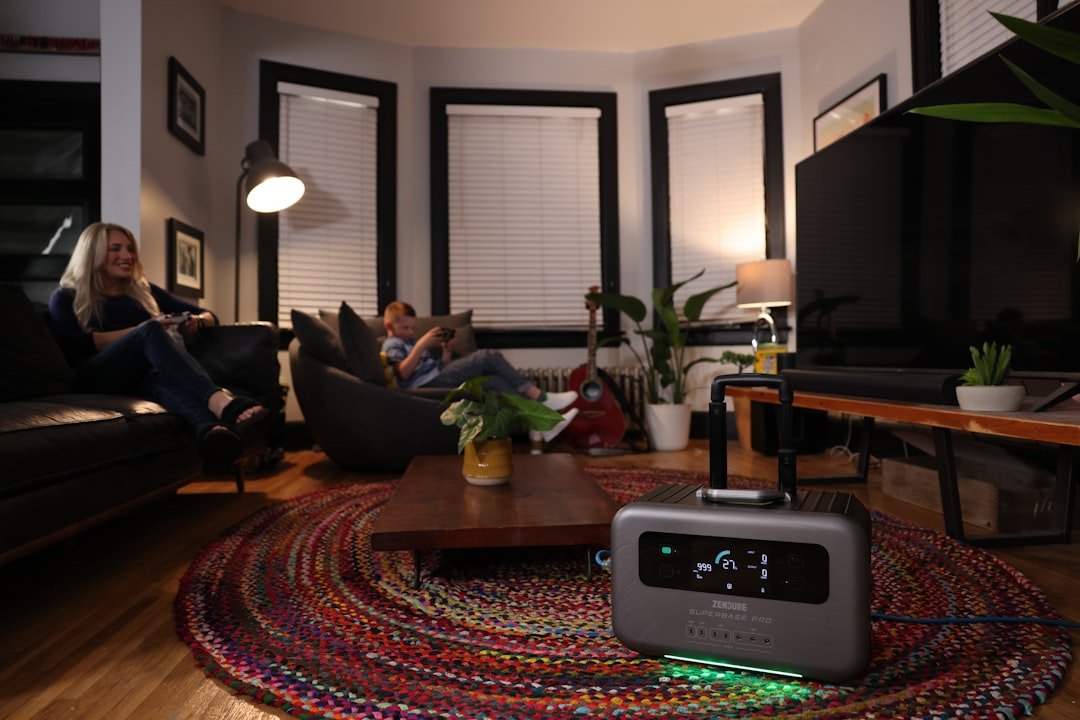
The Living Room Revolution
Soundbars have become the most popular entry point for spatial audio at home. Unlike traditional surround systems requiring five or more speakers plus a subwoofer, a single soundbar can simulate immersive audio using psychoacoustic tricks and room calibration.
The best models use microphones to analyze your room's acoustics during setup, then customize the spatial processing to your specific environment. This means the virtual "speakers" are positioned optimally for your space.
Common Misconceptions
Key Takeaways
Spatial audio represents a genuine leap forward in how we experience sound. By simulating the natural cues our ears use to perceive direction and distance, this technology transforms flat audio into immersive three-dimensional soundscapes.
The three major formats—Dolby Atmos, Sony 360 Reality Audio, and Apple Spatial Audio—each offer compelling experiences, with Dolby Atmos providing the widest compatibility across devices and content. Whether you're watching movies, gaming, or listening to music, spatial audio adds a dimension of immersion that's difficult to appreciate until you've experienced it firsthand.
As more content gets mixed for spatial audio and hardware support becomes standard even in budget devices, this technology is quickly moving from premium feature to expected standard. If you're shopping for headphones, earbuds, or a soundbar in 2026, spatial audio support should be near the top of your priority list.
-
Tricks your brain into perceiving directional audio through any headphones
-
Turn your head and the audio stays fixed in space
-
Supported by most streaming services, gaming consoles, and devices
-
Look for the Dolby Atmos or Spatial Audio badges on content
-
Most modern headphones and earbuds support spatial audio playback
Comments
No comments yet. Be the first to comment!
Leave a Comment